

Types of Protein Powder Explained: Which One Is Best for You? (Whey, Isolate, Vegan + More)
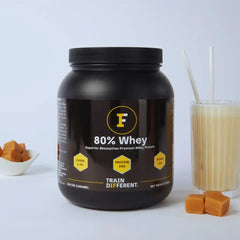
Walk into any supplement shop or scroll through an online store and you’ll encounter hundreds of options. Every protein powder claims to be the "best," but the reality is that the right choice depends entirely on your unique physiology and fitness objectives.
From Whey Isolate and Casein to Vegan blends, Mass Gainers, and Collagen, the terminology can be overwhelming. So, what is the actual difference between these formulas—and which one will help you see the best results?
In this guide, we provide a deep dive into the most common types of protein powders, exploring their specific benefits, digestive profiles, and how to select the perfect match for your lifestyle.
The Fundamentals: What Does Protein Powder Actually Do?
While often associated purely with bodybuilding, protein is a fundamental macronutrient essential for total body wellness. It serves as the primary building block for:
-
Hypertrophy: Effectively building and maintaining lean muscle mass.
-
Physical Recovery: Repairing muscle fibers and reducing soreness after intense training sessions.
-
Satiety: Regulating hunger hormones to keep you feeling fuller for longer, which is vital for weight management.
-
Metabolic Support: Boosting your thermic effect of food and supporting a healthy body composition.
-
Convenience: Helping you hit demanding daily protein targets without the need for constant meal prep.
A high-quality whey protein isn't a "magic pill"—it is a highly bioavailable, efficient tool designed to supplement your diet with the amino acids your body needs to thrive.
1) Whey Protein Concentrate (WPC)
Best for: Everyday nutrition and general fitness enthusiasts
Whey concentrate is the foundational standard for most gym-goers. It undergoes less processing than other forms, retaining some of the natural nutrients found in dairy.
Pros:
✅ Exceptional flavor profiles and creamy texture
✅ Contains beneficial sub-fractions like immunoglobulins
✅ Highly cost-effective for daily supplementation
Cons:
⚠️ Contains higher levels of lactose and milk sugars
⚠️ May cause digestive discomfort or bloating for sensitive individuals
⚠️ Lower protein concentration per gram compared to refined isolates
This is an excellent entry-level choice for individuals who tolerate dairy well and want a reliable, all-round supplement to hit their macros.
2) Whey Protein Isolate (WPI)
Best for: Lean muscle growth, rapid digestion, and calorie-controlled diets
Whey Isolate represents a premium tier of filtration. Through cross-flow microfiltration, the protein is stripped of the majority of fats, carbs, and lactose. This creates a product with a superior amino acid profile and maximum purity.
-
Maximum Protein Density: More protein per scoop, typically 90% or higher.
-
Lactose-Friendly: Often tolerated by those with mild dairy sensitivities.
-
Ultra-Lean: Minimal calories from fats or carbohydrates.
-
Rapid Bioavailability: Enters the bloodstream quickly to kickstart recovery.
Pros:
✅ The leanest option for body recomposition and fat loss
✅ Superior digestibility with minimal risk of bloating
✅ Highly refined amino acid profile rich in Leucine for muscle synthesis
✅ The gold standard for immediate post-workout nourishment
Cons:
⚠️ Slightly higher price point due to advanced filtration processes
If your priority is a clean, effective, and professional-grade protein powder, isolate is the undisputed winner for most athletes.
3) Whey Protein Hydrolysate
Best for: Elite athletes and those with severe digestive sensitivity
Hydrolyzed whey is essentially "pre-digested," meaning the protein chains have been broken down into smaller peptides for near-instantaneous absorption.
Pros:
✅ The fastest absorption rate available
✅ Minimal digestive effort required by the body
Cons:
⚠️ Premium pricing
⚠️ Can have a slightly medicinal or bitter taste
⚠️ Generally offers diminishing returns for the average gym-goer
4) Casein Protein
Best for: Sustained amino acid release and overnight recovery
While whey protein is known for speed, Casein is valued for its slow-release properties. It forms a "gel" in the stomach, providing a steady drip-feed of nutrition to your muscles over several hours.
Pros:
✅ Anti-catabolic properties that protect muscle overnight
✅ Extremely satiating, making it a perfect meal replacement
✅ Thick, pudding-like consistency that satisfies cravings
Cons:
⚠️ Very thick texture that requires more liquid
⚠️ Slower digestion is not ideal for immediate post-workout needs
5) Vegan Protein (Pea, Rice, and Soy Blends)
Best for: Plant-based lifestyles and strict dairy-free diets
Modern vegan proteins have evolved. By blending different plant sources, manufacturers can create a complete amino acid profile that rivals traditional dairy proteins.
Pros:
✅ 100% dairy-free and hypoallergenic for many
✅ Environmentally sustainable sourcing
✅ Often enriched with fiber
Cons:
⚠️ Texture can be earthy or slightly grittier than whey
⚠️ Requires careful blending to ensure all essential amino acids are present
6) Clear Whey Protein
Best for: Refreshing, juice-style hydration
Clear whey protein is a breakthrough for those who find traditional milky shakes too heavy. It drinks more like a cordial or sports drink while still delivering high-quality isolate.
Pros:
✅ Light, fruity, and incredibly refreshing
✅ Perfect for hot weather or intense cardio sessions
Cons:
⚠️ Typically more expensive per serving
⚠️ Less "filling" than a standard shake
7) Mass Gainers
Best for: "Hard gainers" struggling to maintain a caloric surplus
These are high-calorie formulas designed to provide a massive influx of energy via a blend of proteins and complex carbohydrates.
Pros:
✅ Convenient way to consume 500-1000+ calories
✅ Supports heavy lifting and significant size increases
Cons:
⚠️ Often contain high amounts of sugar and fillers
⚠️ Can lead to unwanted fat gain if not monitored
8) Collagen Protein
Best for: Structural integrity, joint health, and aesthetic wellness
Collagen focuses on the "glue" that holds the body together—tendons, ligaments, skin, and hair. It should be viewed as a functional health supplement rather than a primary muscle-builder.
Pros:
✅ Specific support for joint longevity and skin elasticity
✅ Tasteless and dissolves easily in coffee or smoothies
Cons:
⚠️ Not a "complete" protein for muscle hypertrophy
Finding Your Match: The Quick Decision Guide
- Goal: Muscle Gain & Strength: Choose Whey Isolate or Concentrate.
- Goal: Fat Loss & Definition: Whey Isolate is the premium choice due to low calories.
- Problem: Digestive Issues/Bloating: Opt for a high-purity Whey Isolate or Vegan blend.
- Requirement: Night-time Recovery: Casein is the ideal slow-burn solution.
- Preference: Non-Milky Drinks: Clear Whey provides a crisp, juice-like alternative.
Our Recommendation: IF Supplements 80% Whey Isolate
If you are looking for a versatile, professional-grade protein powder that aligns with almost any fitness goal, IF Supplements 80% Whey Isolate is our top-tier recommendation. It bridges the gap between purity and performance.
Why it stands out:
✔ Superior Purity: Massive protein yield with minimal fillers.
✔ Fast Acting: Rapidly delivers nutrients to fatigued muscles.
✔ Digestive Comfort: Low lactose for a bloat-free experience.
✔ Gourmet Quality: Smooth mixing and exceptional taste for daily enjoyment.
Personalised Advice for Your Journey
Still unsure? Visit Marius at The Recharge Hub for a bespoke consultation. We can help you tailor your selection based on your training volume, metabolic rate, and dietary restrictions. You can browse the full range of IF Supplements protein online or experience the community at The Recharge Hub.