

How Much Protein Do I Need Per Day? (Simple Guide for Muscle Gain, Fat Loss & Health)
Protein is one of the most talked-about nutrients in fitness — and for good reason. It supports muscle growth, recovery, fat loss, metabolism, and overall health.
But the big question is always the same:
How much protein do I actually need per day?
In this guide, we’ll keep it simple, practical and easy to apply — whether you’re trying to build muscle, lose fat, or just feel healthier.
Why Protein Matters (Even If You’re Not “Trying to Get Huge”)
Protein helps your body:
-
build and maintain muscle
-
recover faster after workouts
-
stay full for longer (helps cravings)
-
support metabolism and body composition
-
protect muscle during fat loss
-
improve strength and performance over time
Even if your goal is “just to tone up”, protein is still the key.
The Simple Answer: Protein Per KG of Bodyweight
Most people do best using this range:
For general health:
✅ 1.2 – 1.6g protein per kg of bodyweight
For fat loss:
✅ 1.6 – 2.2g per kg
(helps preserve muscle and keep you full)
For muscle gain / strength training:
✅ 1.8 – 2.4g per kg
(especially if you train hard)
If you want a quick, safe number that works for most gym-goers:
Aim for 2g per kg of bodyweight per day.
Protein Calculator (Quick Examples)
If you weigh 60kg
-
General health: 72–96g/day
-
Fat loss: 96–132g/day
-
Muscle gain: 108–144g/day
If you weigh 75kg
-
General health: 90–120g/day
-
Fat loss: 120–165g/day
-
Muscle gain: 135–180g/day
If you weigh 90kg
-
General health: 108–144g/day
-
Fat loss: 144–198g/day
-
Muscle gain: 162–216g/day
Do Men and Women Need Different Protein?
Not really — it’s based on bodyweight and goal, not gender.
Women often under-eat protein because of outdated diet advice, but increasing protein can massively improve:
-
body shape and tone
-
energy levels
-
recovery
-
hunger control
-
strength progress
Does Protein Timing Matter?
Protein timing is helpful, but total daily intake matters most.
That said, the easiest “high impact” timing is:
Post-workout protein
Aim for 25–40g within a couple of hours after training.
This supports muscle recovery and growth.
Protein with breakfast
This helps reduce cravings later in the day and stabilises energy.
How to Hit Your Protein Target Without Overthinking It
A simple approach:
Aim for 25–40g protein per meal
If you eat 3 meals per day, that’s:
-
30g x 3 meals = 90g/day
Add a snack or shake and you’re easily at 120g+.
Easy high-protein foods:
-
chicken / turkey
-
eggs / egg whites
-
Greek yoghurt
-
tuna / salmon
-
lean beef
-
tofu / tempeh
-
lentils + beans (plant-based)
-
protein shakes (fastest option)
Why Protein Shakes Make It Easier (Not “Cheating”)
Protein shakes are just food in a convenient form.
They help when:
-
you’re busy
-
you struggle to eat enough
-
you want a quick post-workout option
-
you want something light and easy to digest
A high-quality whey isolate is one of the best choices because it’s lean, fast-absorbing, and easy on digestion.
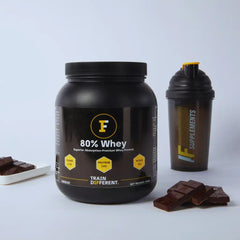
Our Recommendation: IF Supplements 80% Whey Isolate
If you want an easy way to hit your daily protein target without feeling bloated or heavy, IF Supplements 80% Whey Isolate is a solid option.
✔ high protein per serving
✔ smooth taste and easy mixing
✔ ideal for muscle gain or fat loss
✔ perfect post-workout
✔ great daily habit builder
You can add one shake per day and instantly improve your nutrition consistency.
Quick FAQ
Is too much protein bad for you?
For healthy people, higher protein intakes in the ranges above are generally safe and well tolerated. If you have kidney disease or medical conditions, speak to your GP first.
Can I build muscle without protein powder?
Yes — but protein powder makes it easier to hit your target consistently.
Is whey isolate better than whey concentrate?
For many people yes, because it’s usually leaner, lower lactose, and easier to digest.
Want Help Setting Your Protein Target?
If you’re a member at The Recharge Hub (or thinking of joining), we can help you work out:
-
your daily protein target
-
your calorie needs
-
the best routine for your goal
-
the best supplement choices for your body
👉 Pop into IF Supplements inside The Recharge Hub or shop online.